LIFE SAVING MECHANICAL THROMBECTOMY FOR ACUTE BRAIN STROKES

The brain needs nearly 20% of the blood supply of the body for its functioning. A Stroke ("Brain /paralytic attack") is a medical term that is used when a part of the brain dies due to lack of blood supply. Depending on the part of the brain that is affected, a person may lose the ability to move one half of the body, speak, see, etc. If the treatment is not delivered within the time, Nearly 2million neurons die every minute during a stroke!
Thus, the damage caused by stroke causes a lot of physical disability, inability to communicate, loss of work, income, and drastically affects the quality of life, consequently causing a lot of burden on the caregivers too.
How common is a stroke?
(1).jpg) It is the second leading cause of death worldwide. As per the world stroke organization, 1 in 4 adults will have a stroke in their lifetime. It accounts for 1 out of 19 deaths. As per World Health Organisation (WHO) an estimated 13.7million people have a stroke in a year, 5.5 million die as a result of it and nearly another 5million are left permanently disabled.
It is the second leading cause of death worldwide. As per the world stroke organization, 1 in 4 adults will have a stroke in their lifetime. It accounts for 1 out of 19 deaths. As per World Health Organisation (WHO) an estimated 13.7million people have a stroke in a year, 5.5 million die as a result of it and nearly another 5million are left permanently disabled.
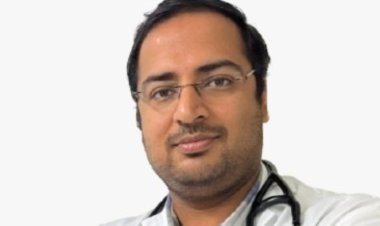
In India, Indian Council of Medical Research (ICMR) has come out with a report entitled "India: Health of the Nation's States", according to which stroke was 4th leading cause of death and 5th Leading cause of Disability Adjusted Life Years (DALY) in 2016. By 2050, more than 80% of the predicted global burden of stroke will occur in the developing world. Surprisingly ,2 out of every 3 people suffering from stroke are from low and middle-income groups says "Dr. Shahyan Mohsin Siddiqui, MD, DM(NIMHANS), Consultant Neuro Radiologist, Star Hospitals
Are there different kinds of strokes?
There are two kinds of stroke, hemorrhagic and ischemic. Hemorrhagic stroke occurs due to the rupture of weakened blood vessels that spills blood into the brain ("brain hemorrhage"). Ischemic stroke occurs when a clot cuts off/blocks the blood supply to the brain. It accounts for nearly 80% of all strokes.
Are there any warning signs of Stroke?
Yes, these can be remembered as B-E-F-A-S-T.
B (loss of Balance), E (Trouble seeing by one or both Eyes), F (Drooping of Face to one side on smiling), A (inability to move /drifting of Arms on raising them), S (Is there trouble in Speech, speaking of words?) T (if a person has any of these signs, it's Time to go to the hospital immediately). Sudden onset of any of the above symptoms should warrant an immediate visit to the nearest comprehensive stroke center for an emergency evaluation.
What is the treatment of Stroke?
Once the warning signs are noticed , rush to the nearest Comprehensive Stroke Centre. Here following a quick clinical examination, the patient has to undergo a Computed tomography (CT) scan of the brain to identify the parts of the brain that are affected and to know which blood vessel of the brain is blocked by the clot. The patients are then put on IV clot-busting drugs by the neurologist if they reach the hospital within 4.5hrs of symptom onset. For patients who present beyond 4.5hrs (nearly 85% of patients fall in this category!) and those having large clots, a revolutionary treatment called mechanical thrombectomy can be offered. This treatment can be offered to the patient up to 24hrs. However, it doesn't mean that the treatment has to be delayed, as every 15 minutes of delay reduces the chances of benefit and good outcome following mechanical thrombectomy by 10%. Nearly 2million neurons die every minute during a stroke!
What is a mechanical thrombectomy procedure?
Mechanical thrombectomy treatment has become standard of care for acute ischemic stroke due to blockage of large vessels of the brain for up to 24 hours from the time of onset. It’s effective even in patients having large clots wherein I.V. thrombolysis may fail to open the blocked vessel. It's a minimally invasive procedure done in the cath lab under image guidance. A small pinhole is made in the groin and tiny wires and tubes called catheters are navigated all the way upto the blocked blood vessel, clot is removed and the blood flow to the brain is re-established immediately. This is a delicate and technically challenging procedure and is to done by a trained specialist called an Interventional neuroradiologist / Neuroendovascular radiologist. Following this procedure, upto 70percent of the patients have a good functional outcome. The majority have near-complete recovery of their paralysis/other stroke symptoms, sometimes even on the cath lab table itself immediately at end of the procedure! Although this treatment can be offered upto 24 hours, a delay in the opening of the blocked vessel significantly reduces the chances of having a good outcome from treatment hence the benefit is critically dependant on time.
Can stroke be prevented?
Yes, nearly 90percent of strokes are preventable. Maintaining a physically healthy lifestyle, keeping blood pressure, Diabetes under control, avoiding smoking, alcohol. In addition, treatment of underlying heart rhythm disturbances (atrial fibrillation), narrowing of blood vessels of the neck (carotid stenosis) also significantly reduce the risk of future stroke.
What is a comprehensive stroke center?
Management of acute stroke is multidisciplinary teamwork. It involves an emergency medicine specialist, neurologist, Interventional Neuroradiologist, Neurosurgeon, dedicated stroke nurses, 24X7 onsite neuro cath lab, advanced neuroimaging facility to be present to deliver fast and comprehensive treatment for acute stroke.
What do I do in the current pandemic? Shouldn't I stay at home?
No! Acute stroke is one condition for which you should visit your nearest comprehensive stroke center.
#Donstayathome for acute stroke.
Wishing you and your family the best of health and safety.
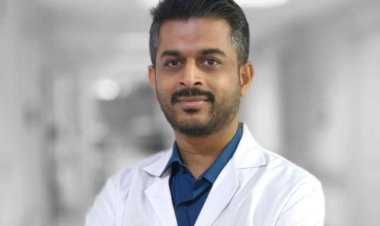
Book Appointment: Dr. Shahyan Mohsin Siddiqui, MD, DM(NIMHANS), Consultant Neuro Radiologist, Star Hospitals
 Disclaimer: Welthi.com does not guarantee any specific results as a result of the procedures mentioned here, and the results may vary from person to person.