Why Winter Increases Heart Attack Risk: Warning Signs, Emergency Response & Prevention

Have you ever wondered why heart attacks seem to happen more often during winter? While cold mornings and warm blankets feel comforting, the drop in temperature silently puts extra pressure on your heart. Winter months are known to increase heart-related emergencies, especially among the elderly and people with existing heart conditions.
Studies show that heart attack rates can rise by up to 53% in winter compared to summer, and heart-related deaths may increase by 26–36% during colder months. Overall, winter can increase cardiac complications by 14–20%, according to the Times of India. Even something as simple as a 1°C drop in temperature can raise heart attack risk by 2%. Understanding why this happens can help protect you and your loved ones.
Dr. P.S. Gautam, Senior Consultant Interventional Cardiologistof Malla Reddy Narayana Hospital, Hyderabad, explains the combined physiological and lifestyle factors that make winter a sensitive period for individuals with heart health concerns.
Why Winter Increases Heart Attack Risk
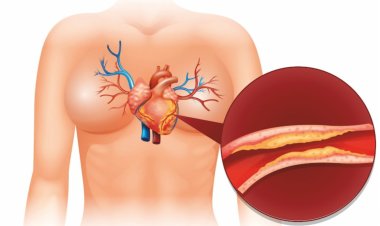
1. Cold-Induced Stress on the Heart: When temperatures drop, the blood vessels naturally narrow (vasoconstriction) to conserve heat. This makes it harder for blood to flow, forcing the heart to pump with more pressure. For people with high blood pressure, blocked arteries, or previous heart disease, this extra workload can be dangerous. Cold weather can also make the blood thicker and stickier, increasing the chances of clot formation that may block arteries and trigger a heart attack.
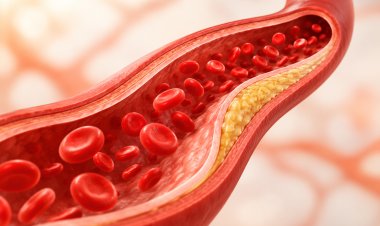
2. Plaque Rupture: Winter stress and vasoconstriction can destabilize existing cholesterol deposits (plaques) in the arteries. If a plaque ruptures, it can cause a sudden blockage, leading to a heart attack.
3. Reduced Physical Activity: People tend to stay indoors in winter, exercise less, and move less overall. This reduced activity can increase weight, cholesterol levels, and blood pressure, all of which add strain on the heart.
4. Dietary Changes: Winter often brings heavier meals, hot fried foods, sweets, and occasional alcohol consumption. These foods increase cholesterol, sugar levels, and blood pressure, raising cardiac risk.
5. Seasonal Infections: Flu, pneumonia, and other winter infections cause inflammation that further stresses the cardiovascular system. These infections can worsen existing heart conditions and trigger cardiac events.

Dr. P.S. Gautam, Senior Consultant Interventional Cardiologist of Malla Reddy Narayana Hospital, Hyderabad
Who Is at Higher Risk During Winter?
Although everyone must stay cautious, certain groups need extra care during colder months:
Warning Signs of a Heart Attack in Winter
Winter often masks symptoms. What feels like a “seasonal discomfort” may actually be a warning sign. Be alert to:
Emergency Response: What to Do Immediately
Quick action during the first few minutes can save a life. Winter heart emergencies require timely medical intervention.
Prevention Strategies to Stay Safe in Winter
1. Stay Warm: Wear layers, gloves, socks, and a cap. Avoid sudden exposure to extreme cold.
2. Stay Active: Do light indoor exercises such as stretching, walking, or yoga. Warm up before going outdoors.
3.Eat Heart-Friendly Foods: Choose vegetables, fruits, whole grains, and lean proteins. Reduce salt, fried food, processed snacks, and sugary items.
4. Stay Hydrated: Cold weather reduces thirst, but dehydration thickens blood.
5. Avoid Smoking & Limit Alcohol: Both constrict blood vessels and worsen heart strain.
6. Monitor Health Conditions
Regularly track:
Conclusion
Winter may be enjoyable, but it places significant stress on the heart. From cold-induced vasoconstriction to reduced physical activity and seasonal infections, several factors contribute to a higher risk of heart attacks. Knowing the early warning signs, taking preventive measures, and staying active can help protect your heart during the colder months.
Malla Reddy Narayana Hospital, Hyderabad, encourages everyone, especially the elderly and those with existing conditions, to stay alert and seek medical care promptly if symptoms arise. With timely action and winter-ready habits, you can enjoy the season safely and keep your heart healthy. Consult our experienced cardiologists or book an appointment today to stay heart-healthy this winter.
 Disclaimer: Welthi.com does not guarantee any specific results as a result of the procedures mentioned here, and the results may vary from person to person.