World Stroke Day October 29th

Dr. Joshua Caleb .K, Consultant Neurologist, KIMS Saveera, Anantapur.
The effect of any type of stroke is debilitating - restricted blood flow alters or stops the functions of that specific part of the brain, sometimes leading to paralysis
A 2017 survey conducted by the ICMR found that Indians are at a higher risk of developing strokes compared with people living in the US It also mentioned that there are 105-152 cases of stroke per 100,000 Indians. Every minute, 3 Indians suffer a stroke.
A stroke is a disease affecting the arteries of the brain. Whenever an artery carrying oxygen and nutrients to the brain gets obstructed by a clot (ischemic stroke), or ruptures (hemorrhagic stroke) - the specific part of the brain where this happens dies. There is also the possibility of a mini or temporary ischemic stroke caused by a floating clot, temporarily blocking the blood supply.
With such a high prevalence, it helps to know how strokes can be prevented:
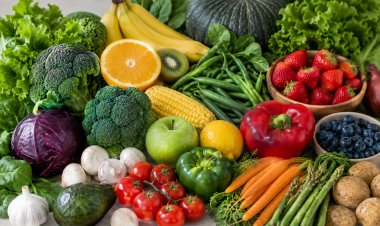
1. Lower blood pressure: High blood pressure increases the risk of stroke. Blood pressure should always be maintained below 140/90 mm Hg. Reducing junk food, saturated fat and salt intake is the key. Also, try eating four to five servings of fruits and vegetables a day.
2. Reduce obesity: Higher fat content in the body is another risk factor for stroke. Maintaining weight could prevent the occurrence of diseases such as high blood pressure and diabetes, both of which increased risk for a stroke. Try to keep body mass index (weight to height ratio) below 25. If it is higher than 25, try talking to your doctor and dietician for guidance.
3. Make exercise a daily habit: Exercise is essential for stroke prevention. It ensures good blood flow through the arteries, reducing the risk of clot formation as well as that of other diseases that could be a potential risk factor for stroke. Ideally, 30 minutes of exercise daily is necessary for arterial health. If you can’t make a regular exercise routine, walk for half an hour in the yard after dinner.
4. Limit alcohol consumption: Studies indicate that having one drink a day might decrease the risk but having two increases stroke occurrence.
5. Heart diseases: Atrial fibrillation causes irregular heartbeat which is a major inducer of clot formation - that clot can make its way to the brain and result in a stroke. If symptoms of shortness of breath and palpitations are present, talk to a cardiologist immediately for risk analysis and further treatment.
6. Control diabetes: High blood sugar negatively affects blood vessels by setting up a favorable environment for clot formation. India today has the second-highest number of diabetic people (after China).
7. Quit smoking: Smoking makes the blood thicker and induces plaque formation in the arterial walls - it increases stroke probability.
This year slogan for world stroke day is “Minutes can save lives”
The US-based National Stroke Association came up with an easy way to recognize a stroke –
“B. E. F.A.S.T”
B: does the person have difficulty in balance
E: has the person lost vision in one or both eyes
F: does one side of your "Face" droop when you smile
A: do you have difficulty lifting your "Arms"
S: do you notice a slur in your "Speech"
T: if you notice any of these signs in yourself or anyone else, it's "Time" to call emergency.
It is important to identify early signs of stroke, treat immediately, give proper rehabilitation, but the best way is by prevention of risk factors.
 Disclaimer: Welthi.com does not guarantee any specific results as a result of the procedures mentioned here, and the results may vary from person to person.