Smoke-Induced Leg Attacks
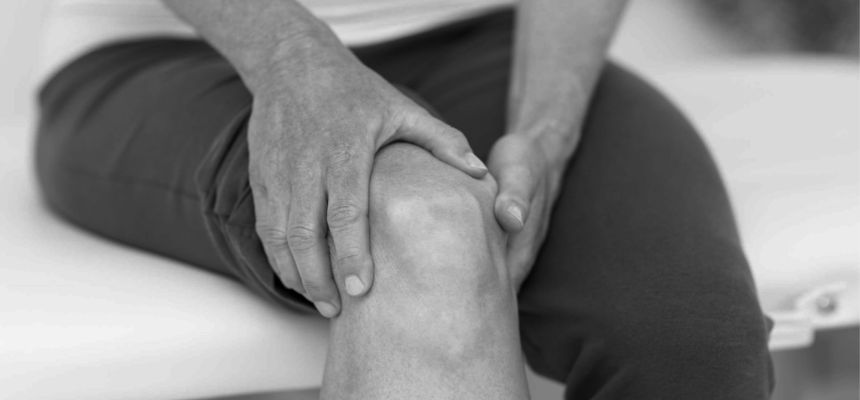
Leg attack is common in smokers as the plaque builds up in the arteries and it blocks the blood from recirculating in the body. Smoking is a major risk for peripheral artery disease (PAD).
What is a Leg attack?
Leg attack is a caused when the blood in the toe, foot and calf region is not able to carry the blood to the limbs, head and other organs of the body. The plaque develops in the arteries over a period of 10 to 15 years and finally affects the person.
There are constant complaints of cramps, loss of sensation in the tips of toes and also a sudden pain in the calf and toe region as the blood circulation is hampered.
This occurs usually in the age-group of 55 years and above. There is a 10 to 25 percent increase with the age and it is also one of the risk factors for heart diseases and strokes.
Dr Vimal Someshwar, Director, Interventional Radiology, Wockhardt Hospitals says, “A lot of people who are regular and long time smokers come with advanced PAD. They have non-healing wounds, intense leg pain which is not relieved with rest, inability to sleep at night and some of them also have gangrene of the foot."
Early identification of PAD, results in a significantly better quality of life. A few simple lifestyle modification steps can reduce your risk of PAD to a large extent.
Diet control, controlled blood sugars, simple exercises like walking; cycling etc can improve your chances of keeping PAD at bay.
The most common symptoms are burning or aching in feet or toes, painful cramps in the leg, numbness, weakness or heaviness in the feet. The skin of the feet can be cool to touch, there can be a loss of hair on the feet, chronic sores – non-healing wounds or gangrene.
Patients with these symptoms should visit their physician or a surgeon immediately for a physical examination.
The physician may prescribe an ultrasound test to check the blood flow and health of the artery. He may also recommend an angiogram, where the health of the artery is checked with a special X-Ray machine.
Treatment of PAD ranges from medical management to surgical limb salvage techniques such as bypass or grafts. With newer advances in technologies like drug-coated balloons and stents, Doctors are now able to treat even advance disease with a fair amount of success.
To treat PAD your surgeon/interventional radiologist will introduce a balloon to the blocked artery. He will gently inflate the balloon to reopen the blocked artery.
If after ballooning, blood flow is not restored, he may leave a small metal mesh (stent) behind to support the artery and keep it open. Most patients do extremely well with a combination of lifestyle changes, medical management and angioplasty/stenting without requiring advance surgical intervention like bypass or grafts etc.
Though in this era, we have treatment for smoking related lower limb arterial blockages for most of the patients.
Still, there are significant numbers of patients who do have to undergo above the knee or below knee amputation where even the medical, surgical and interventional radiology treatment is not helpful. So the message to give is that it’s better not to smoke or quit smoking before it’s too late.
 Disclaimer: Welthi.com does not guarantee any specific results as a result of the procedures mentioned here, and the results may vary from person to person.