COVID HEART- A NEW HEART PROBLEM ON THE HORIZON?
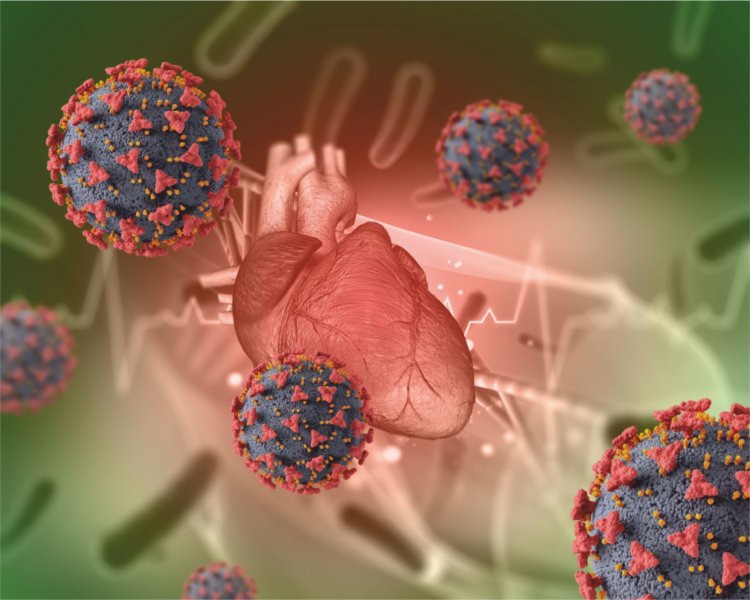
The COVID-19 pandemic is already nearing its third birthday. Covid- appropriate change in life-style, wide and effective vaccination programs, appearance of less potent new virus strains and upgraded health care systems helped in reducing its impact. Over last one year, most diseased individuals recovered within 4 weeks without any residual effects; most did not need hospitalization or multiple medications. However, a few patients continued to show one or other symptom that linger beyond 4 weeks and in some new symptoms reappear as late as 12 weeks. Such symptoms beyond 4 weeks, when not explained by any other disease process, are termed as Long-COVID syndrome, Chronic Covid, post-Covid syndrome, post-acute Covid sequelae etc. The manifestations of this syndrome can be vague or may point to one or more systems [Table-I].
Those with cardiac symptoms and signs of cardiac damage can be labeled as suffering from –‘COVID-HEART’ syndrome. The chance of such occurrence is more likely in obese, female, those with prior cardiac disease or those who showed acute cardiac effects during the COVID affection. Many survivors are asymptomatic; but when tested, showed elevated troponins and MRI abnormalities suggestive of persistent cardiac damage. Importance of these observations is still not clear.
Professional agencies advocated that if survivors of COVID infection should be evaluated for any symptoms and subjected to simple tests like ECG, ECHO, TMT, lipid profile, troponins and D-dimer. Cardiac MRI may be recommended for some patients. Intense cardiovascular exercise should be avoided in first 3 months of recovery from acute episode. Those with no symptoms or mild symptoms can do slow walking in initial 2 to 3 weeks. For athletes it is recommended to take 3 to 6 months sports-holiday before resuming their usual activities. Completing the recommended schedule of vaccinations is a proven method to prevent ‘Long-Covid’ syndrome. Heart- healthy activities like proper diet, rest, maintaining optimal weight, avoidance of smoking and alcohol, appropriate control of hypertension, diabetes and hyperlipidemia will help in avoiding cardiac complications. If physician advises, prophylaxis for DVT has to be taken in the form of anticoagulants.
Table-1: Manifestations of long COVID syndrome
|
|
Symptoms/ Manifestations |
Lab-abnormalities |
|
General |
Fatigue, Lethargy, Cognitive disturbances, Loss of taste and smell, Anxiety, sleep disturbances
|
Reduced Hemoglobin |
|
Respiratory |
Breathlessness, Cough, expectoration, chest pain, fever, hemoptysis, Abnormal 6-minute walk test
|
Abnormal pulse- oximetry Abnormal chest X-ray, CT scan |
|
Cardiac |
Asymptomatic with abnormal troponins Asymptomatic with abnormal cardiac MRI findings Chest pain ( 20% of survivors) Palpitations (10% survivors) Breathlessness Inappropriate sinus tachycardia. Postural giddiness Arrhythmias Heart Failure Stress cardiomyopathy Thrombotic manifestations Pulmonary embolism
|
Elevated troponins/NT-pro-BNP Abnormal cardiac MRI findings ECG/ Holter abnormalities Reduced LV function Raised D-dimer Raised inflammatory markers(CRP) |
|
Gastro-intestinal and hepatic |
Loss of taste, nausea, vomiting Chronic diarrhea, abdominal pain, Constipation, hepatitis
|
Abnormal LFT[ elevated SGPT/SGOT-15%] |
|
Neurological |
Fatigue, headaches, sleep disturbances, Dizziness, orthostatic intolerance, Syncope, Stroke, Guillian Barre syndrome. peripheral neuropathy, Encephalopathy, cognitive disturbances
|
Abnormal CT brain, MRI brain, Peripheral nerve conduction |
|
Renal |
Progression of CKD, new AKI new glomerular disease Accelerated hypertension |
Abnormal renal parameters-BUN, proteinuria, electrolyte disturbances, Ultrasound abdomen |
Dr. A. N. Patnaik
Sr. Interventional Cardiologist, Star Hospitals
For Appointments, Call: 040 44 77 77 00
 Disclaimer: Welthi.com does not guarantee any specific results as a result of the procedures mentioned here, and the results may vary from person to person.