Obesity Is a Chronic Disease, not a Failure of Willpower, Say Indian Experts in New Joint Consensus
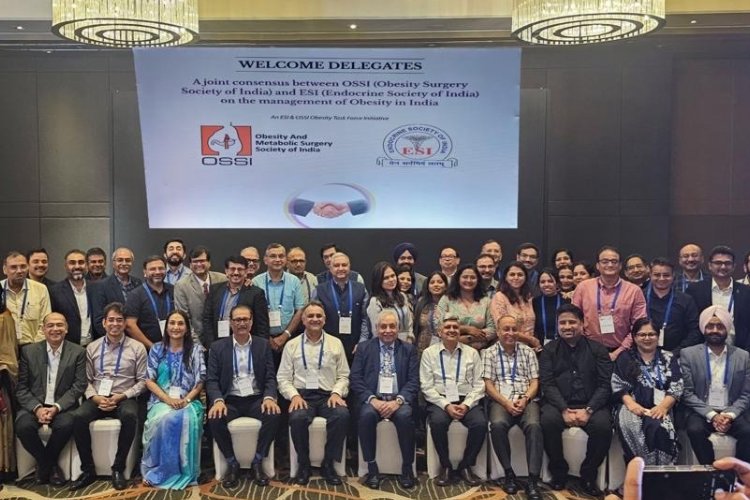
First joint OSSI–ESI consensus brings together 78 experts and 55 recommendations, calling for personalised, stigma-free obesity care tailored to the health needs of Indians
Mumbai: Obesity is rising rapidly across India, yet people living with the condition are still commonly told to “eat less, exercise more” or blamed for lacking willpower. Indian experts are now calling for a fundamental change in this approach: obesity must be recognised and treated as a chronic disease, with treatment based on an individual’s health needs and disease severity.
The Obesity and Metabolic Surgery Society of India (OSSI) and the Endocrine Society of India (ESI) have jointly developed the Expert Consensus on Obesity Management Protocols – A Joint Position Statement by OSSI and ESI. Published in Obesity Surgery on 3 August 2026, the consensus brings together 78 experts and 55 recommendations spanning the entire spectrum of obesity care from prevention and diagnosis to lifestyle interventions, medications, metabolic and bariatric surgery, monitoring, long-term follow-up and palliative care.
“Obesity is a chronic disease that requires timely recognition, scientific treatment and long-term care. This joint consensus provides a unified, India-specific framework that can help move the conversation away from blame and towards evidence-based medical care,” said Dr. K. S. Kular, President, Obesity and Metabolic Surgery Society of India (OSSI).
The consensus highlights that obesity is influenced by a complex interplay of genetic, metabolic, endocrine, environmental, psychological, socioeconomic and lifestyle factors—many of which may be beyond an individual’s control.
“People living with obesity are often made to feel that their weight is simply the result of poor eating habits or lack of willpower. This creates guilt, shame and hesitation in seeking medical help,” said Dr. Aparna Govil Bhasker, Bariatric and Metabolic Surgeon, MetaHeal. “Obesity deserves the same scientific, compassionate and long-term approach as any other chronic disease. The focus should be on improving health, not blaming the individual.”
Importantly, the recommendations emphasise that BMI or body weight alone should not determine treatment. Indians tend to have higher body fat and develop metabolic complications such as type 2 diabetes and cardiovascular disease at comparatively lower BMI levels and younger ages than Western populations.
“India needs an approach to obesity that reflects the unique metabolic risks of our population. Assessment must look beyond weight alone and consider the overall health of the individual,” said Dr. Kaushik Pandit, President, EndocrineSociety of India (ESI).
Dr. Nitin Kapoor, Endocrinologist, CMC Vellore, added, “BMI is only one part of the picture. Diabetes, fatty liver disease, sleep apnoea, mobility, cardiovascular risk and overall disease burden should guide how early and how intensively obesity is treated.”
Healthy eating, physical activity and other lifestyle measures remain central to obesity management. However, the consensus stresses that one size does not fit all. Depending on disease severity and individual needs, treatment may also include psychological support, obesity management medications, endoscopic therapies and metabolic and bariatric surgery—and these treatments may be combined or changed over time.
“The consensus moves away from a rigid treatment ladder. Treatment should be personalised and can evolve as the patient’s health needs change,” said Dr. KVS Hari Kumar, Honorary Secretary, Endocrine Society of India.
“Obesity is a progressive and relapsing disease, and delaying appropriate treatment can allow both the disease and its associated complications to advance,” said Dr. RandeepWadhawan, Immediate Past President, Obesity and Metabolic Surgery Society of India (OSSI). “The important message from this consensus is that treatment should be individualised and timely. We should not wait for patients to develop severe complications before offering them effective medical, endoscopic or surgical treatment.”
“Lifestyle measures, medications, endoscopic therapies and metabolic and bariatric surgery should not be seen as competing treatments. They are different tools that can be used at different stages of the same disease,” said Dr. SarfarazBaig, Bariatric and Metabolic Surgeon, Kolkata.
The consensus also addresses the growing use of newer obesity medications. Dr. Shehla Shaikh, Endocrinologist, Sir H. N. Reliance Foundation Hospital, Mumbai, said, “Newer medications have significantly expanded our treatment options, but they are medical therapies and should be used under appropriate supervision, based on the patient’s health, associated conditions and treatment goals.”
Beyond individual treatment, the experts call for a broader change in how India responds to obesity. The consensus supports stigma-free care, equitable access to treatment and integration of obesity prevention and management into national health programmes. It also calls for population-level measures including clearer food labelling, healthier school environments and public awareness initiatives.
The message for people living with obesity is simple: needing medical treatment does not mean that lifestyle efforts have failed. Obesity is a chronic disease, and seeking appropriate care is part of managing it.
The joint OSSI–ESI consensus aims to provide doctors, healthcare professionals and policymakers with a consistent, India-specific framework for delivering personalised, multidisciplinary and compassionate obesity care focused not merely on kilograms lost, but on better health and quality of life.
 Disclaimer: Welthi.com does not guarantee any specific results as a result of the procedures mentioned here, and the results may vary from person to person.