World Stroke Day 2026: 'Every M1nute Counts' in the Race Against Brain Attack Understanding Acute Neurovascular Intervention and Emergency Care at Sri Sri Holistic Hospitals
Every year, World Stroke Day serves as a global imperative to address one of the leading causes of death and lifelong neurological impairment. On World Stroke Day 2026, the international theme 'Every M1nute Counts' highlights the severe impact of delayed stroke care. When a blood vessel supplying the brain is suddenly blocked or ruptures, millions of neural connections are destroyed every minute. Recognizing symptoms without hesitation is the vital first step toward restoring brain function.
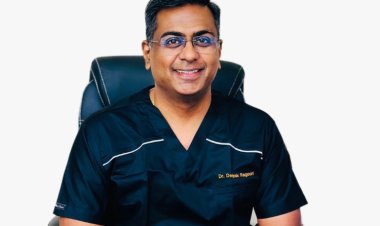
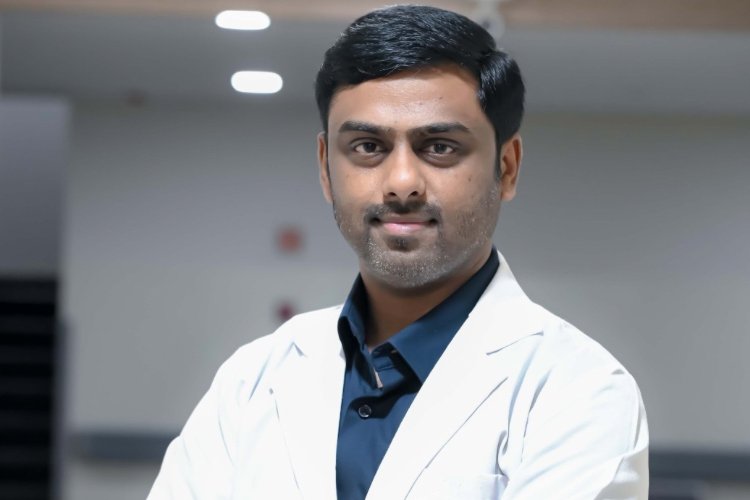
Dr. Sajja Venkatesh
MBBS | DNB (General Medicine) | DM (Neurology) | FNB (Neurovascular Intervention)
Consultant in Neurology & Neurovascular Intervention
Sri Sri Holistic Hospitals, Kondapur.
To deliver state-of-the-art neurovascular care, Sri Sri Holistic Hospitals seamlessly unites advanced diagnostic neuroimaging with cutting-edge endovascular interventions. Through rapid emergency evaluation and specialized Cath Lab procedures, the medical team ensures that patients suffering acute brain attacks receive life-saving treatments well within the crucial golden window.
Decoding the Brain Attack: Ischemic vs. Hemorrhagic
A stroke is a cerebrovascular crisis occurring when blood flow to a segment of the brain is interrupted. It generally falls into two distinct physiological types:
• Ischemic Stroke (~85% of cases): Occurs when an arterial blood clot obstructs oxygen and blood supply to brain tissue. Immediate treatment focuses on dissolving or physically removing the clot to re-establish cerebral blood flow.
• Hemorrhagic Stroke (~15% of cases): Occurs when a weakened blood vessel, aneurysm, or vascular malformation ruptures, bleeding into surrounding brain tissue. Emergency management centers on pressure control and surgical or endovascular repair.
Specialized Neurovascular Leadership
Effective acute stroke care demands a highly synchronized team of interventionists and imaging specialists. At Sri Sri Holistic Hospitals, stroke care is spearheaded by distinguished clinical experts:
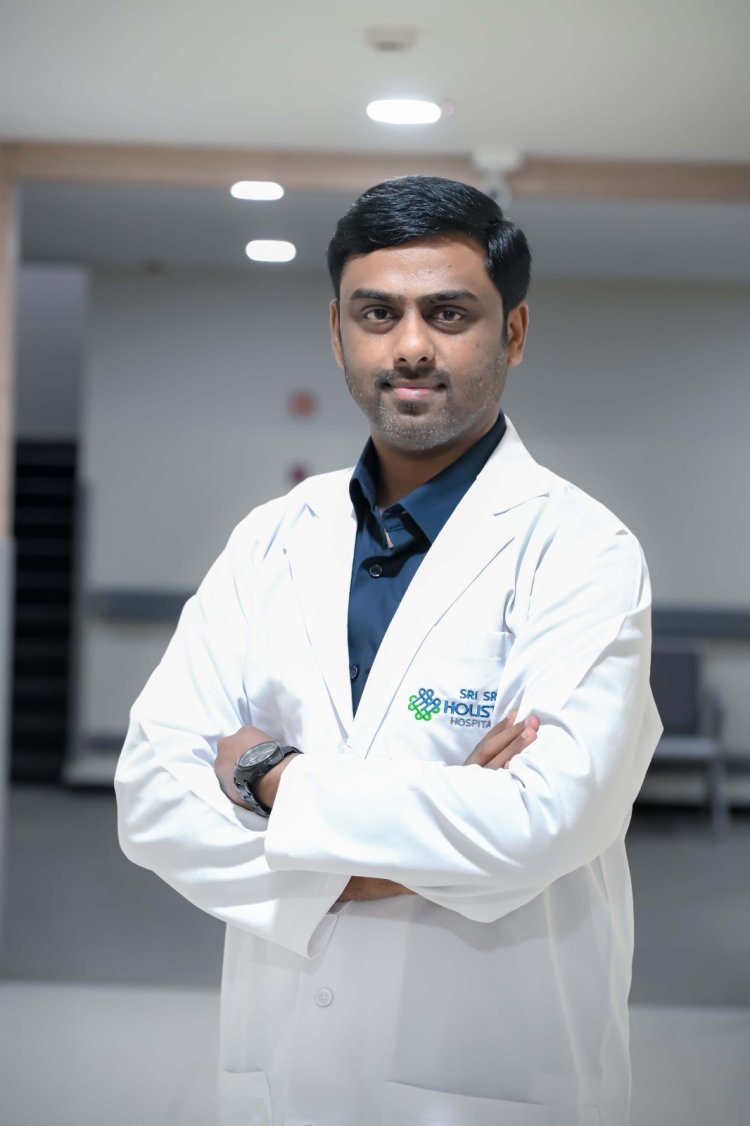
Dr. Sajja Venkatesh
Degree: MBBS, DNB (General Medicine), DM (Neurology), FNB (Neurovascular Intervention)
Speciality: Neurology & Neurovascular Intervention
Dr. P. G. Saicharan Reddy
Degree: MBBS, MD (Diagnostic & Interventional Radiology), DNB (Radiology), DM (Neuroimaging and Interventional Radiology)
Speciality: Neuroimaging & Interventional Radiology
Recognizing Emergency Warning Signs: The BE FAST Framework
Because brain tissue degrades rapidly during ischemia, recognizing early warning signs using the BE FAST clinical framework is essential for survival and recovery:
• B - Balance Loss: Unexplained, sudden unsteadiness, loss of coordination, or severe dizziness.
• E - Eye & Vision Changes: Sudden blurred vision, double vision, or complete vision loss in one or both eyes.
• F - Facial Asymmetry: Sudden drooping or numbness on one side of the face, noticeably visible when smiling.
• A - Arm / Limb Weakness: Sudden weakness or inability to raise one arm or leg due to motor loss.
• S - Speech Impairment: Slurred words, inability to speak clearly, or difficulty comprehending simple conversation.
• T - Time Critical Action: Immediately call for emergency medical transport and rush to a 24×7 stroke-ready hospital.
Advanced Interventions: Thrombolysis & Mechanical Thrombectomy
Modern stroke medicine offers powerful options to restore blood flow to the brain, depending on the time elapsed from symptom onset:
• Intravenous Thrombolysis (0 – 4.5 Hours): In the initial hours after an ischemic stroke, clot-dissolving medications can be administered intravenously to break up blood clots and restore perfusion.
• Mechanical Thrombectomy (Extended Golden Window up to 24 Hours): For large vessel occlusions (LVO), specialized neurointerventionists perform a minimally invasive procedure in a neuro-capable Cath Lab. Utilizing micro-catheters inserted through blood vessels, specialists physically retrieve the blood clot from the brain. Early intervention yields the highest rates of functional independence.
Addressing Root Causes and Risk Management
Preventing primary and secondary strokes involves controlling vascular risk factors through routine health monitoring and tailored medical management:
• Hypertension Management: Controlling blood pressure is the single most effective action to protect cerebral blood vessels.
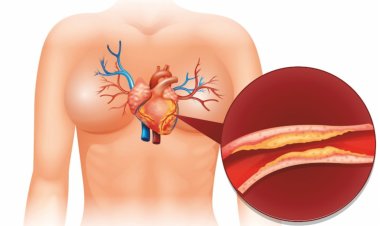
• Metabolic & Lipid Control: Monitoring blood sugar and managing cholesterol levels prevent plaque accumulation in brain arteries.
• Vascular Screening: Ultrasound screening of carotid arteries can detect narrowing early, allowing for timely carotid stenting or medication.
• Cardiovascular Wellness: Engaging in routine physical activity, maintaining a nutrient-rich diet, and eliminating tobacco use significantly reduce stroke risk.
24×7 Emergency Stroke Preparedness
When a stroke occurs, every minute lost impacts recovery. Sri Sri Holistic Hospitals operates a fully equipped 24×7 Stroke Emergency Center featuring advanced MRI/CT diagnostic neuroimaging, round-the-clock neurointervention expertise, and specialized Cath Lab facilities. Immediate action saves lives—#ActFAST.
 Disclaimer: Welthi.com does not guarantee any specific results as a result of the procedures mentioned here, and the results may vary from person to person.