India's Tobacco Crisis Is Getting Younger, CARE Doctors Warn of Rising Lung Disease and Cancer Cases Among Young Adults
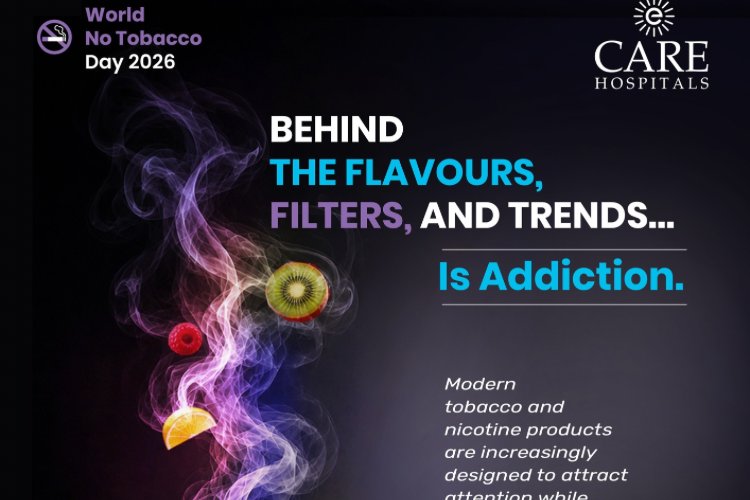
As the world observes World No Tobacco Day today(31st May), healthcare experts at CARE Hospitals have raised concerns over the growing burden of tobacco-related diseases in India, warning that serious lung diseases and cancers are increasingly being diagnosed among younger adults. This year's World Health Organization (WHO) theme, "Unmasking the Appeal – Countering Nicotine and Tobacco Addiction," highlights the tactics used by tobacco and nicotine industries to attract children and young adults through flavored products, vaping devices, nicotine pouches, attractive packaging, and digital marketing.
Healthcare experts at CARE Hospitals warn that while awareness about tobacco has improved, India continues to face a major public health challenge. Nearly 267 million Indians use tobacco, and tobacco-related illnesses account for over 1.3 million deaths annually. Doctors are increasingly witnessing tobacco-related respiratory diseases and cancers among adults in their 30s and 40s.
Speaking on the occasion, Dr Jayachandra, Clinical Director & HOD, Senior Consultant – Interventional Pulmonology, CARE Hospitals, Hyderabad said, "One of the most concerning trends today is the growing number of younger adults presenting with chronic cough, breathlessness, reduced lung function, worsening asthma, and early-stage Chronic Obstructive Pulmonary Disease (COPD). Many people believe tobacco-related lung damage develops only after decades of smoking, but the harmful effects begin much earlier. By the time symptoms become noticeable, significant and often irreversible lung damage may have already occurred."
India is estimated to have over 55 million people living with COPD, with smoking remaining one of its leading causes. Experts also caution against the growing popularity of vaping and newer nicotine products.
"Products such as e-cigarettes, nicotine pouches, and flavored vaping devices are often marketed as safer alternatives. In reality, nicotine addiction, airway inflammation, and long-term lung damage remain serious concerns. These products are specifically designed to attract and retain younger users," added Dr. Jayachandra.
Highlighting the cancer burden linked to tobacco, Dr. Ravi Jaiswal, Senior Consultant Oncologist, Ramkrishna CARE Hospitals, Raipur, said, "Many people still associate smoking only with lung cancer, but the reality is far more alarming. Cigarette smoke contains more than 7,000 chemicals, of which at least 69 are known carcinogens. Tobacco use is directly linked to cancers of the mouth, throat, voice box, lungs, food pipe, stomach, liver, pancreas, colon, rectum, kidney, bladder, cervix, and even certain blood cancers such as acute myeloid leukemia."
"Nearly one-third of all cancers are linked to tobacco use. We continue to see increasing numbers of oral, throat, and lung cancer cases, many of them in younger adults. One of the biggest challenges is delayed diagnosis, as patients often ignore warning signs such as persistent cough, blood in sputum, unexplained weight loss, non-healing mouth ulcers, voice changes, or difficulty swallowing. Early detection significantly improves treatment outcomes, while quitting tobacco at any age reduces cancer risk," Dr. Jaiswal explained.
Doctors also highlighted the dangers of passive smoking, particularly among children and elderly family members. Exposure to second-hand smoke increases the risk of respiratory infections, asthma attacks, heart disease, and lung cancer even among non-smokers.
The economic burden is equally alarming. India is estimated to lose over ₹1.7 trillion annually due to healthcare expenditure and productivity losses associated with tobacco-related diseases.
As World No Tobacco Day is observed globally, experts at CARE Hospitals are urging individuals to seek professional help for tobacco cessation through counselling, behavioural therapy, nicotine replacement therapy, and medical support.
"The biggest misconception is that tobacco affects only smokers. In reality, it affects families, workplaces, healthcare systems, and the economy. The earlier a person quits, the greater the health benefits. Tobacco addiction is both a medical and behavioural condition, and with the right support, quitting is absolutely possible," concluded Dr. Jayachandra.
 Disclaimer: Welthi.com does not guarantee any specific results as a result of the procedures mentioned here, and the results may vary from person to person.