
IS IT MIGRAINE OR STROKE
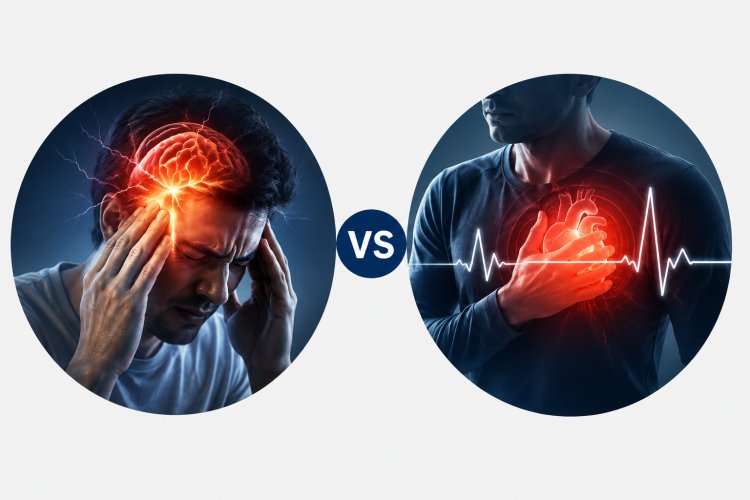
It is quite alarming to know that the symptoms of a stroke could be confused with the symptoms of a migraine, and often, because the wrong assumptions are made, someone loses their life. Perhaps the best thing to do is to seek medical help right away when you are suffering with a severe headache.
Here’s a vital point to remember – it’s better to be overly cautious and report a headache, because if it is indeed indicative of a stroke, then early treatment can limit brain damage and save your life.
How can you tell if your headache is pointing to a migraine or a stroke? If you’re over 40 and have never experienced a migraine headache, then you can assume that your pain is something more serious. Migraine’s rarely make a first appearance in older people. However, if you suffer from migraines, but your aura symptoms and headaches seem different than what you have experienced, contact your doctor immediately.
Let’s examine the two problems:
Stroke:
This is a serious episode during which blood flow to part of your brain is cut off. Without adequate oxygen, the cells there begin to die.
The causes of Stroke are: a blood vessel that is blocked by a blood clot or a blood vessel that tears or bursts and causes bleeding in and around the brain.
Symptoms of a Stroke include numbness or weakness, especially on one side of the body; speech difficulties, inability to comprehend what someone is saying; hampered vision in one or both eyes, confusion and sudden dizziness or loss of balance/coordination.
The kind of Stroke that is often mistaken for a migraine is called a Transient Ischemic Attack, or TIA. It is also known as a “mini stroke”, because blood flow to the brain is affected for a brief time period. Symptoms are less severe than in the case of a regular stroke, and may last less than an hour.
Migraine:
These are recurrent headaches accompanied by nausea, vomiting and sensitivity to light, sound, smell or touch. The pain is characterized by throbbing, andis generally felt on one side of the head, around the eye or temple.
A migraine with an aura can be confused with a stroke. An aura affects the senses, and usually occurs before the onset of the headache. The person experiencing an aura might see light flashes, zig-zag lines or blind spots, and may also feel tingling or numbness in the arms, legs or face. This is sometimes accompanied by a ringing in the ears or speech difficulties. Occasionally, as you get older, these symptoms may be experienced without a headache.
Differentiating between a Stroke (TIA) and a Migraine with aura:
• A stroke comes on suddenly. A migraine occurs gradually with a small headache gaining intensity.
• A stroke is accompanied by symptoms like loss of sight in one eye or loss of sensation in the hands or feet. A migraine is accompanied by added sensations, like flashes and tingling of the skin.
• If you are young, you are most likely having a migraine, whereas if you’re older, it’s more likely to be a stroke, especially if you have never had a migraine before, and have high blood pressure or an irregular heartbeat.
 Disclaimer: Welthi.com does not guarantee any specific results as a result of the procedures mentioned here, and the results may vary from person to person.