Factors that increase risk for a secondary cancer

In the last 30 years, cancer treatment has evolved by leaps and bounds. Presently it is seen that cancer survivors have an increased chance of developing secondary cancer compared to people of the same age and gender who have not had cancer. Statistically it is seen that one to three percent survivors develop a second cancer differently from the originally treated cancer. These new cancers are called 'secondary cancer' and are not metastases. Indeed there are so many factors which are responsible for such secondary cancers.
The case of childhood cancer which a kid may have developed before the age of 15 is most susceptible to secondary cancer. Often it is seen that treatment procedure makes kids more vulnerable to future malignancies. In this regard, family medical history is also important to gauge such. If a particular family carries a genetic susceptibility, automatically there is an increasing cancer risk. Let's not forget that radiation, chemotherapy and other cancer therapies trigger cellular changes which can also make any individual vulnerable to a secondary cancer. Anyone, the higher the age, the higher is the cancer risk. With more age, cells are incapable of repairing damages. Oncologists and physicians feel that lifestyle choices are also categorically responsible for secondary cancer. This is why it is important to have healthy lifestyle choices such as healthy eating, exercise, not smoking, limiting UV exposure, and limiting alcohol. Apart from that, there are other variables such as hormonal issues, immune deficiencies, and medicines which are needed to treat primary malignancies and mostly out of patients' control, but responsible for secondary cancers. The field effect with certain types of cancers especially in the areas of digestive tract cancers and ovarian, breast, and others are more susceptible to secondary cancer.
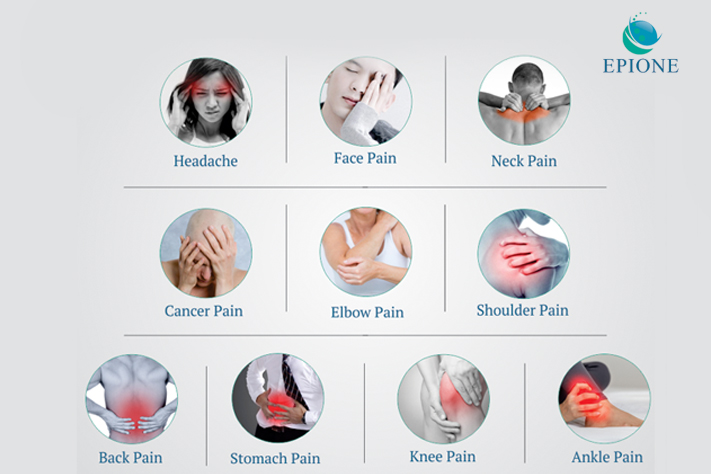
Secondary cancers have typical symptoms like changes in bowel or bladder habits, sore that does not heal, unusual bleeding or discharge, thickening or lump in the breast or other parts of the body, indigestion or difficulty swallowing, noticeable change in a wart or mole, fatigue, bone pain, changes in vision and constant or severe headaches. No doubt, the psychological aspect is an important segment to avoid secondary cancers. Thus finding cancer support groups or talking to a professional therapist or conversing with near and dear ones can be of great help. Overall, precautionary measures can be truly effective in treating secondary cancers to an individual.
 Disclaimer: Welthi.com does not guarantee any specific results as a result of the procedures mentioned here, and the results may vary from person to person.