Why Brain Strokes Are Rising Among Young Adults
Have you ever imagined that a brain stroke could happen to someone in their 30s or 40s? It’s a thought that surprises many, yet recent studies reveal a troubling rise in such cases. On October 29, as we observe World Stroke Day, it’s important to recognise that brain strokes have surged from 5% to nearly 10–15% among people aged 30–40; a wake-up call that this life-threatening condition is no longer limited to the elderly.
Brain Stroke: A Silent Killer That Demands Urgent Attention
Stroke is one of the leading causes of death and disability worldwide, affecting people across all age groups. It occurs when blood flow to a part of the brain is interrupted, usually due to a blocked or burst blood vessel. Since brain cells die rapidly without oxygen, a stroke must be treated as a medical emergency.
According to global data, one in four people will experience a stroke during their lifetime, with one occurring every 30 seconds somewhere in the world. Once seen as a disease of aging, 63% of strokes now occur in individuals under 70, and about 10–15% affect adults between 18 and 50. While older adults often experience strokes due to hardened arteries (atherosclerosis), younger people are increasingly affected by risk factors such as diabetes, high blood pressure, high cholesterol, and smoking. Other causes include heart conditions, infections, inflammatory diseases, and genetics. Alarmingly, in around 20% of stroke cases, the exact cause remains unclear. The good news is that 80% of strokes are preventable through timely lifestyle and medical interventions.
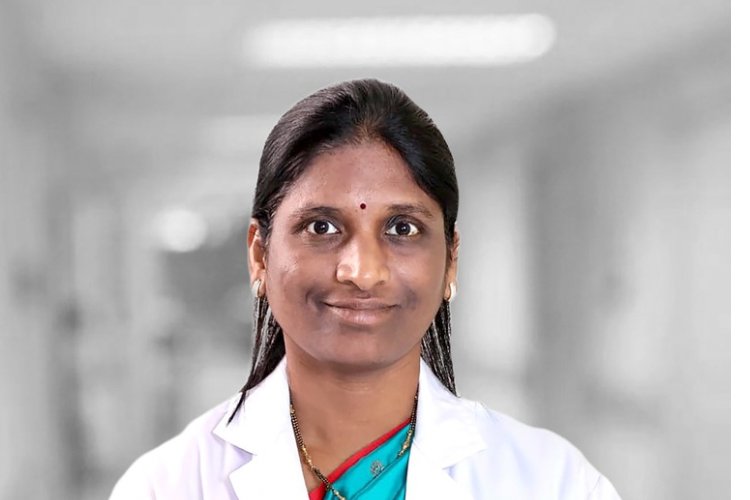
Dr. Anitha Kotha, Senior Consultant – Neurology at STAR Hospitals, Nanakramguda, explains, “The rise in strokes among young adults reflects today’s high-stress lifestyles, long working hours, irregular sleep, and lack of preventive health awareness. Many young professionals ignore early signs, delaying treatment during the crucial window of recovery.”
Why Are Younger Adults at Greater Risk?
Recent studies in India show that young adults now account for 10–30% of all stroke cases, a significantly higher proportion than in Western countries. Experts attribute this to the increasing prevalence of cardiovascular risk factors appearing at younger ages.
Modifiable Lifestyle Factors Include:
• Unhealthy Diet: Excessive salt, processed foods, and poor nutrition lead to obesity and hypertension.
• Sedentary Habits: Desk jobs and lack of physical activity weaken heart and vascular health.
• Smoking, Alcohol, and Drug Use: These damage blood vessels and lead to clot formation.
• Chronic Stress: Prolonged stress elevates blood pressure and triggers unhealthy coping mechanisms.
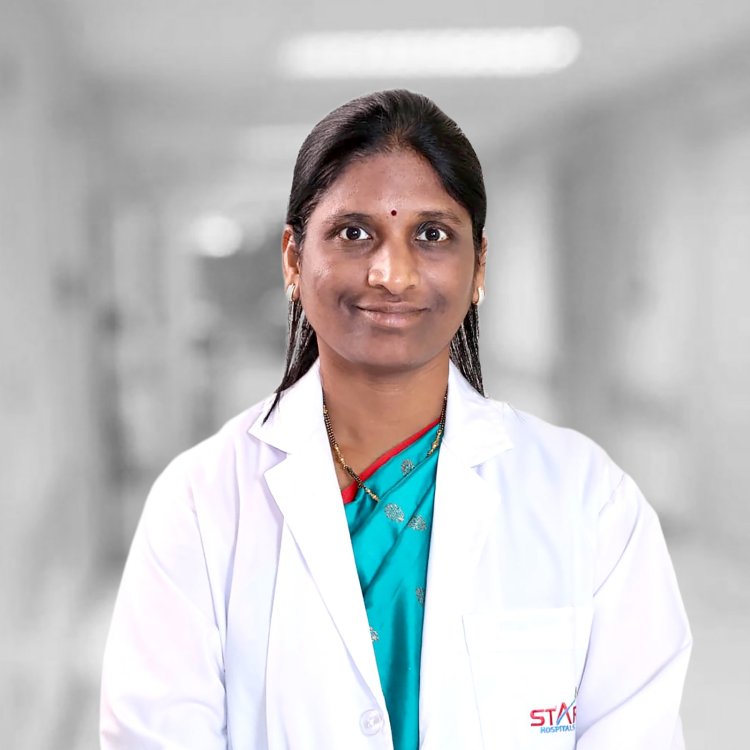
Dr. Anitha Kotha, Senior Consultant – Neurology at STAR Hospitals, Nanakramguda
Medical Conditions such as:
Hypertension, diabetes, high cholesterol, obesity, congenital heart defects, and certain autoimmune or genetic disorders are major contributors. In young women, migraines with aura and oral contraceptive use can further increase risk, especially when combined with smoking.
Recognising and Preventing Stroke
Stroke is often called a silent killer because both the strokes themselves and their risk factors can develop quietly. Remember the acronym BE FAST to identify symptoms:
B – Balance loss
E – Eye or vision problems
F – Facial weakness
A – Arm drift
S – Speech slurring
T – Time to call emergency help
Preventive Steps Include:
• Regular health check-ups to monitor blood pressure, sugar, and cholesterol.
• Eating a balanced diet rich in fruits, vegetables, and whole grains.
• Exercising regularly and maintaining a healthy weight.
• Avoiding smoking and limiting alcohol.
• Managing stress through yoga, meditation, or breathing exercises.
Comprehensive Stroke Care at STAR Hospitals
The Comprehensive Stroke Care Programme at STAR Hospitals is designed to deliver rapid, coordinated, and expert care to stroke patients. The hospital’s approach ensures that every patient receives timely intervention, from emergency response to complete rehabilitation, backed by advanced technology and a multidisciplinary team of specialists.
Key Highlights:
• 24x7 Stroke Emergency Team: A dedicated team of neurologists, neurosurgeons, and emergency physicians available round-the-clock for immediate stroke response.
• Advanced Neuroimaging: Equipped with high-end CT, MRI, and digital angiography systems for quick and accurate stroke assessment.
• Cutting-edge Interventions: Specialised in thrombolysis and mechanical thrombectomy for acute ischemic stroke management.
• Dedicated Neurocritical Care: A fully equipped Neuro ICU provides continuous monitoring and intensive care for critical stroke cases.
• Holistic Rehabilitation: Comprehensive post-stroke rehabilitation including physiotherapy, occupational therapy, speech therapy, and cognitive retraining.
• Preventive Care and Follow-up: Focused programmes for lifestyle modification, risk factor management, and prevention of stroke recurrence.
“Time is Brain,” emphasises Dr. Anitha Kotha. “Every minute saved in reaching medical attention can mean a better recovery and preserved quality of life.”
 Disclaimer: Welthi.com does not guarantee any specific results as a result of the procedures mentioned here, and the results may vary from person to person.