The Silent Killers: Understanding and Combating Peripheral Arterial Disease


Dr. V. Apoorva, Consultant – Vascular Surgery at Star Hospital, Hyderabad,
Peripheral arterial disease (PAD) is a common yet dangerously under-recognized circulatory condition that reduces blood flow to the limbs. Often overshadowed by heart attacks and strokes, PAD affects millions—many unaware of their risk.
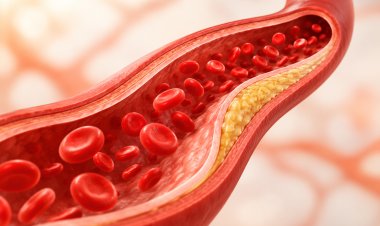
PAD develops when arteries in the limbs, most commonly the legs, become narrowed or blocked by fatty plaques, a process known as atherosclerosis. They often progress silently, striking without warning and leaving devastating consequences.
“Peripheral Arterial Disease is more than just leg pain—it’s a red flag for serious cardiovascular problems,” says Dr. Apoorva. “People with PAD are at significantly higher risk for heart attacks and strokes, so early diagnosis and management are critical.”
The hallmark symptom, known as intermittent claudication, is pain or cramping in the calf or thigh during walking that subsides with rest. This symptom is most commonly ignored as pain due to fatigue or joint pains. In later stages, pain is present even at rest. In advanced stages, patients may develop blackish discolouration of the toes and feet—known as gangrene—which can result in loss of toes or limbs.
Other warning signs include:
- Cold, shiny, or bluish skin on the feet or legs
- Non-healing sores or ulcers
Main risk factors of PAD include hypertension, diabetes, advanced age, high blood cholesterol levels, and tobacco consumption in any form.
Early detection of the disease is crucial in saving limbs and life. Diagnosis is done through tests like Ankle Brachial Index (ABI) and Colour Doppler examination. Once the disease is confirmed, treatment is categorized based on the stage.
Early stages can still be managed with lifestyle modifications and medications.
Risk reduction includes:
- Smoking cessation
- Blood pressure and diabetes control
- Cholesterol-lowering therapies
- Supervised walking programs
- Use of statins and antiplatelet agents
Advanced stages, which involve rest pain and gangrene, require revascularisation procedures like angioplasty, stenting, or bypass surgeries.
With changing lifestyles marked by lack of physical activity, obesity, high-fat diets, and smoking, PAD is now increasingly seen in younger populations.
Follow these simple steps to reduce your risk:
- Quit smoking
- Control diabetes and high blood pressure
- Eat a heart-healthy diet
- Stay active
- Take prescribed medications regularly
Peripheral Vascular Disease is a serious yet manageable condition. The earlier it’s detected, the better the outcomes. Don’t ignore leg pain, numbness, or slow-healing wounds.
Book your consultation with Dr. V. Apoorva, Consultant – Vascular Surgery at Star Hospital, Hyderabad, because healthy circulation is key to a healthier life.
 Disclaimer: Welthi.com does not guarantee any specific results as a result of the procedures mentioned here, and the results may vary from person to person.