IS COVID 19 INFECTION A NEW RISK FACTOR FOR HEART ATTACKS

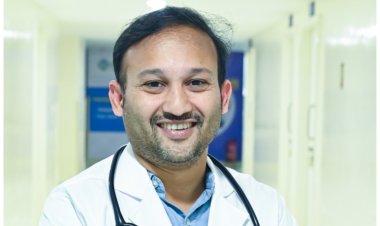
For heart attacks (coronary artery disease) the risk factors that all doctors talk about are smoking, diabetes, and hypertension, abnormal cholesterol in blood, sedentary habits, and obesity. Weakness of heart pumping (heart failure), a more serious state, is an end-result of severe coronary artery disease, long-standing hypertension, and various heart muscle related diseases. For last 2 years COVID came in 3-4 major waves with unexpectedly large number getting hospitalized as well as succumbing to its manifestations in multiple organs like lungs, heart and other vital systems. Fortunately, the medical systems are geared up and now we have effective vaccines and medications, better preventive strategies and probable favorable change in the virulence of the virus that have resulted in many recovering without much complications. These two years generated new fears and doubts in the minds of public about the possible increase in the risk for more heart attacks and sudden cardiac deaths after Covid infection. Here are some heart related problems that can be seen in the severely affected Covid patients says Dr. AN Patnaik MD, DM, DNB Senior Consultant Cardiologist Star Hospitals, Hyderabad

Hypertension: Presence of hypertension can make the control of Covid management challenging. Anxiety plays a major role in the persistence of high BP readings despite taking medications.
Thrombus formation and Heart Attacks: There is a higher chance of formation of clots in the blood vessels including those supplying the heart and brain. So there is enhanced chance for heart and brain attacks for at least one month after Covid infection. It also disturbs a stable fat lesion (atheromatous plague) in the coronaries leading to new onset acute heart attack. Raised D-dimer and troponins give a clue for this risk.
Inflammation of Myocardium (Myocarditis): There is injury to the heart muscle cells and disturbance in immune systems the lead to inflammation of heart muscles. Fortunately this complication is uncommon.
Heart failure: This can be precipitated in healthy hearts after severe infection and in those with weak hearts the heart failure can worsen further. This has a potential for stormy course and even death.
Irregular heart rhythms and Sudden Cardiac deaths: Too slow or too fast heart beating, skipped beats, dangerous arrhythmias and rarely sudden cardiac arrest can occur in heart, that is injured by COVID infection. After clinical recovery, graded return to work and daily exercises is to be followed, preferably after consulting your physician.
Long-COVID syndrome: Long term effects are not clear at present. There are suggestions that some of the effects of COVID persist for several months after initial recovery.
Dos and Don’ts for heart patients: The table below illustrates some important Dos and Don’ts for the heart patients during the pandemic.
Conclusions: Recent Covid infection is not yet labeled as a proven risk factor for atherosclerosis and coronary artery disease. But it has potential for acute flare up of a stable disease process, clot formation and worsening the heart function and enhance the irritability of heart. Consult your heart doctor once you recover from COVID and get yourself tested especially if you were told that your heart’s pumping was lower than normal or you had problem with your heart rhythm or if you have multiple issues like Diabetes, hypertension and chronic kidney disease.
Book appointment: Dr. AN Patnaik MD, DM, DNB Senior Consultant Cardiologist Star Hospitals, Hyderabad
|
IMPORTANT Dos and Don’ts for heart patients following recovery from COVID-19 |
|
|
Dos |
· If you were hospitalized for Covid, ask for full cardiac check-up during your first follow-up visit. · If you were not hospitalized but have hypertension and diabetes better have a complete cardiac check-up after recovery from Covid infection · Learn to monitor your BP, sugar, weight at home · Do all tests advised by your doctor · Do graded regular walking/ exercises after consulting your doctor · Maintain optimal weight · Take heart healthy diet – less salt and oils; more fiber; avoid refined sugars and junk food
|
|
Don’ts |
· Do not neglect chest pain or breathlessness or palpitations, swelling of face or feet, abnormal bleeding, severe reeling of head · Do not smoke · Do not stress out or over-eat · Do not neglect adequate rest and sleep · Do not skip heart medications without doctor’s advice
|
 Disclaimer: Welthi.com does not guarantee any specific results as a result of the procedures mentioned here, and the results may vary from person to person.