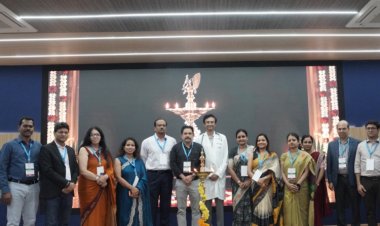
World Brain Tumor Day - the grey matters

“A brain tumor occurs when abnormal cells produce within any part of brain. The incidence andprevalence of brain tumor is growing in India. This is the most common type of cancer among children. These tumors constitute approximately 2% of all cancers in the country.” Informed Dr Anandh Balasubramaniam, Senior Neurosurgeon, Yashoda Hospitals Secunderabad.
As we observe World Brain Tumor Day, we must take time out to understand the seriousness of this disease, what are its symptoms and how can it be treated. After all, the significance that the brain holds in the human body is unparalleled.
While what causes a brain tumor is a still unclear, whether one is suffering from this disease or not can be found out. The body demonstrates some symptoms when being attacked by brain tumor.
Symptoms
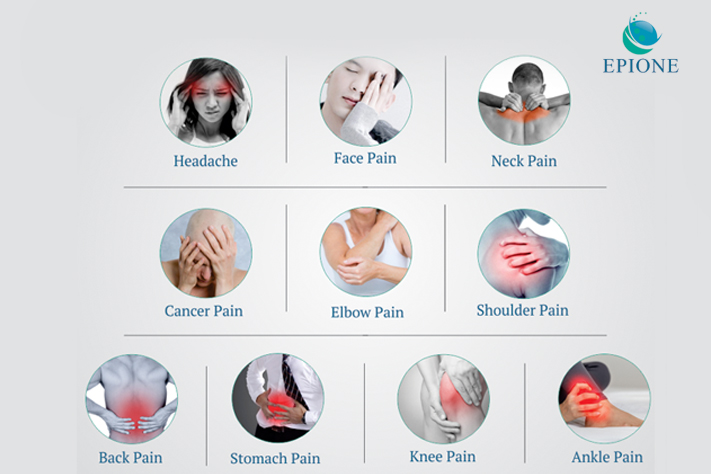
Headaches, memory loss, numbness in the limbs, mood swings, imbalanced walking, nausea, vomiting, unclear speech, blurred vision, impaired hearing, seizures are symptoms that the patient displays.
When one recognizes such symptoms in the body, one should avoid self-diagnosis. It is best to consult a doctor. Having said that, do not wait to see these symptoms. Keep getting periodic health checkups. Prevention, after all, is better than cure.
The symptoms could be or could not be a consequence of tumor, which come in two forms – cancerous and non-cancerous.
Types of brain tumors
There are two types of brain tumors, Benign which is non-cancerous and Malignant which is cancerous. Malignant brain tumor originates in the brain and grows faster and spread to the surrounding tissues. Doctors say that while spreading of brain cancer to other parts of the body is rarely seen, it definitely does spread to parts of the brain and also to the central nervous system.
“Being affected by brain tumor is a scathing disease, however, there are options for patients to undergo surgery, radiation therapy, and chemotherapy. There are also unconventional therapies like immunotherapy, gene therapy, and photodynamic therapy (PDT) that will act as potential adjuvant treatments for brain tumors. These are under trial,” conveyed Dr Sujit Kumar Vidiyala, a Senior Consultant Neurosurgeon at KIMS Hospitals.
“Nanotechnology-based approaches may revolutionize brain tumor treatments and procedures revolving around it,” he added.
How to deal with brain tumor patients
It’s a good idea to deliver correct information to the patient and his family. There should be exchange of communication between everybody who is part of the patient’s life cycle when affected – family and healthcare providers. In some cases, psychological support may also be required for the patient or the patient’s family, advises Dr Sujit.
 Disclaimer: Welthi.com does not guarantee any specific results as a result of the procedures mentioned here, and the results may vary from person to person.