Did you know that Cholesterol medications could treat blood cancer?
Did you know that Cholesterol medications could treat blood cancer?
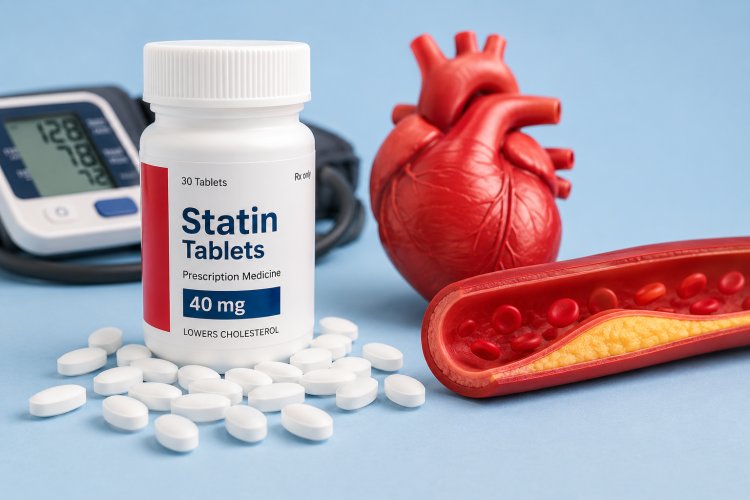
A recent study has proved that cholesterol medications (Statins) synergize with an approved cancer medication to enhance the killing of lymphoma cells in animal models. The results also revealed that using statin has shown marked improvement in treatment responses in leukemia patients who are on cancer medication. This means they could serve as a potential attack against several blood cancers.
Can statins prevent cancer?
Statins are a class of drug used to lower high levels of cholesterol and are prescribed to millions. Animal research and current observation of individuals who take statins recommend that these medications may lower the danger of certain tumors, including colorectal and skin malignancies. Statins claim to be beneficial in averting cardiovascular disease. In addition to that, long periods of authentic evidence proved statins to be relatively safe, which has driven scientists to investigate whether statins can possibly counteract tumor. People should not be administered statins for cancer prevention outside of a clinical trial as it can result in dangerous complications.
In an extensive study, researchers have noticed the effects of statins on the process of cancer at the molecular level work against critical cellular functions that may help control tumor initiation, tumor growth, and metastasis. Specifically, statins reduce (or block) the activity of the enzyme HMG-CoA reductase and thereby lowering the levels of mevalonate and its associated products. The mevalonate pathway plays a crucial role in cell membrane integrity, cell signaling, protein synthesis, and cell cycle progression, all of which are potential areas of intervention to block the cancer process.
What are the common side effects of statins?
Although generally well-tolerated, statins have known to cause muscle pain (myopathy) and liver toxicity (hepatotoxicity) predominantly. Other side effects include weakness, drowsiness sleep disorder, dizziness, abdominal cramping or pain. People who consume statins should be monitored by their health care providers for these reasons.
Why do scientists think cholesterol medications could treat cancer?
Scientists have investigated the possibility of repurposing statins as anticancer agents because they have shown to prevent apoptosis (a form of cellular self-destruction) in leukemia and multiple myeloma cell types. Therefore, despite statins being helpful in cholesterol treatment, they are found to be promising in blood cancer treatment too.
 Disclaimer: Welthi.com does not guarantee any specific results as a result of the procedures mentioned here, and the results may vary from person to person.