A Not-so Qualified doctor
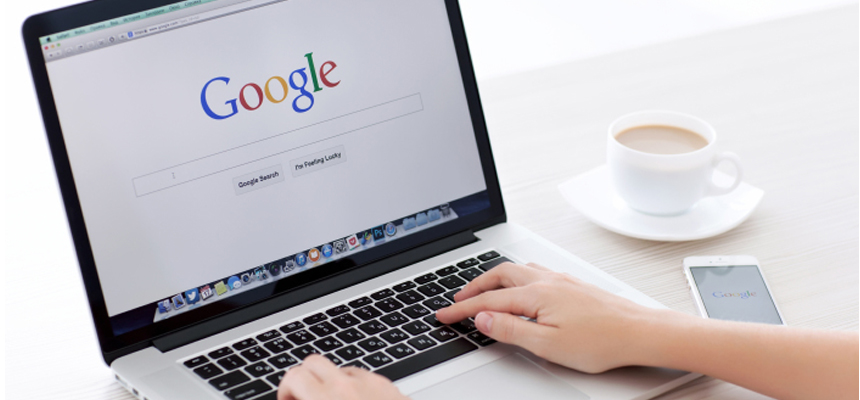
Internet has answer to almost all the answers. But should you rely on it, if it concerns your health?
What happens when you feel some symptoms of a health issue cropping up? See the doctor?
Yes, but not the doctor with a stethoscope and a white coat. These days everybody only sees Dr Google. Seeking medical advice from Google is something that all of us are doing. However, our
Dr Google is easy to reach out to but may not be the best expert to consult. Google often can mislead to patients, which in turn can cause anxiety and fear.
Gayatri Rao, a sales employee, felt something was wrong with her knees. She Googled up the symptoms and realized the discomfort she felt in her knees were symptoms of a fatal disease. “I panicked. I Google more and the more I panicked. I took an appointment with a city hospital. Until I met started to the hospital, I had sleepless nights. I would cry every now and then,” she recalls. “But when I met the doctor, and showed him the reports of the scans that I was asked to come along with, he started laughing. He asked if I were an IT employee who was doing up a lot of Googling? Well, yes. I did do a lot of Googling.”
Dr M Govardhan, Sr Consultant Internal Medicine at Care Hospital, Nampally, explains, “When you self-diagnose, you are essentially assuming that you know the subtleties that diagnosis constitutes. This can be very dangerous, as people who assume that they can surmise what is going on with themselves may miss the nuances of diagnosis. For example, people with mood swings often think that they have manic-depressive illness or bipolar disorder. However, mood swings are a symptom that can be a part of many different clinical scenarios: borderline personality disorder and major depression being two examples of other diagnoses.”
Gayatri is one of the thousands of Indians who uses the web to self-diagnose. There are several reasons to be concerned about this trend. Two major ones are the fact that such self-diagnosis can lead to a lot of stress since the information that Google throws up may be inaccurate. Dr Govardhan further adds, “Because of self-diagnosis, you may think that there is more wrong with you than there actually is. For example, if you had insomnia, inattention and depression, you may believe that you have a sleep disorder, ADD and major depression. However, major depression can account for all of these symptoms. Thus, you may make things worse by worrying more as well.”
 Disclaimer: Welthi.com does not guarantee any specific results as a result of the procedures mentioned here, and the results may vary from person to person.