The growing problem of an enlarged prostate gland
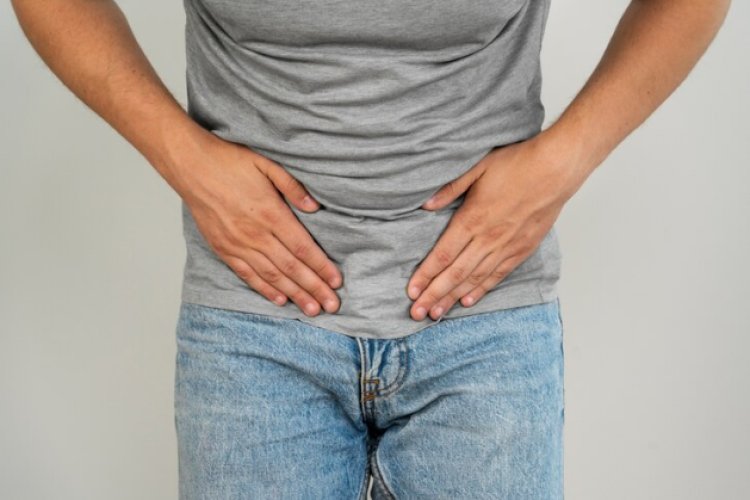
The prostate gland has recently received a lot of attention as a result of Britain's King Charles III's health issue. Prostate issues can affect any male, particularly those over 50
King Charles III was diagnosed with cancer after he underwent a procedure for an enlarged prostate. So, what is the prostate, and why does it enlarge?
The prostate is an auxiliary gland in the male reproductive system. It is located below the urine bladder and surrounds the urinary channel. It nourishes sperm and is essential for male sexual activity. It typically measures around 15cc and grows in size with age. This disorder is referred to as Benign Enlargement of the Prostate (BEP) or Benign Prostatic Hyperplasia (BPH).
Age-related problem
According to Dr. Gopichand Mutyalapati, Consultant Urologist at KIMS Hospitals, prostate growth increases with age. "The chance of prostate disorders, such as cancer and enlargement, rises with age. Men over 50, particularly those over 65, are more vulnerable," he explains.

Feeling the pressure
Dr. Md. Taif Bendigeri, Senior Consultant Urologist, Asian Institute of Nephrology and Urology (AINU), says that an enlarged prostate causes a sense of urgency to empty the bladder and frequent urination at night. "It might also lead to blood in urine, repeated urinary infections, sudden, complete stoppage of urine and even damage to kidneys," he says.

Treatment
Medicines are administered to both ease the blockage and lower the size of the prostate gland. "Today, the illness is managed with lifestyle changes and medicines. If various treatments fail or are ineffective, Dr. Taif recommends surgery to remove the area of the gland that is obstructing urine flow. Advances in technology provide possibilities, including laser prostate surgery, which is exceedingly safe and successful even in patients who are elderly and have coexisting health concerns such as heart disease, according to Dr Taif.
Prevention
* Regular checkups
"While it is a normal part of the ageing process, not all men have major symptoms. Regular check-ups are essential for detecting and monitoring prostate abnormalities, Dr. Gopichand emphasises.
* Healthy lifestyle
Dr. Gopichand underlines the importance of living a healthy lifestyle that includes regular exercise, a balanced diet, and adequate stress management in lowering the risk of an enlarged prostate.
 Disclaimer: Welthi.com does not guarantee any specific results as a result of the procedures mentioned here, and the results may vary from person to person.