Heart Disease Can Hide in Plain Sight: Kamineni Cardiologists Urge Young Adults Not to Ignore Vague Symptoms
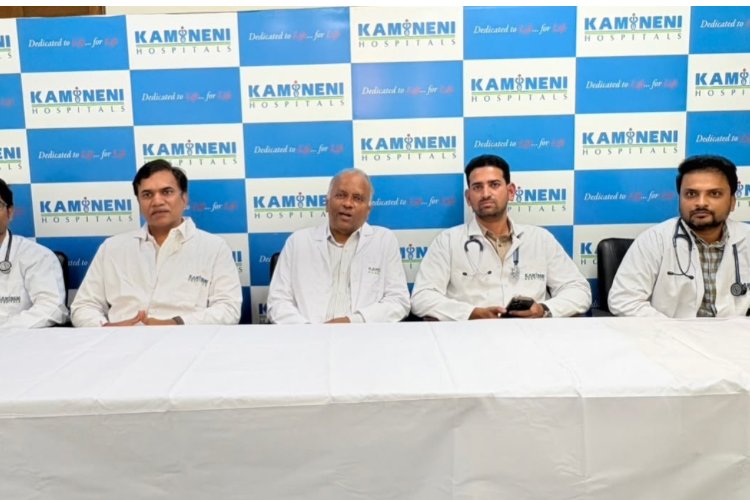
On the occasion of World Heart Day, cardiologists at Kamineni Hospitals, LB Nagar, called for greater awareness of cardiovascular risk among younger adults, noting that heart disease may not always present with the commonly recognised symptom of severe chest pain.
The cardiologists cautioned that heart disease should not be considered a condition affecting only older people or individuals with obvious lifestyle-related risk factors. Younger adults may also have cardiovascular risk factors that remain unnoticed, including high blood pressure, diabetes, high cholesterol, family history and other underlying conditions. Regular physical activity and an outwardly healthy appearance do not completely rule out cardiovascular risk.
Speaking at a media briefing, Dr. M.R.M. Babu, Senior Consultant Cardiologist, Kamineni Hospitals said cardiovascular risk should not be assessed solely on the basis of age or physical appearance. “People who appear fit and healthy may still have conditions such as hypertension, diabetes or high cholesterol, or may have a family history of heart disease. The absence of obvious symptoms does not necessarily mean that cardiovascular risk is absent. Understanding individual risk factors and undergoing appropriate evaluation can help identify problems early,” he said.
Dr. A. Ravikanth, Senior Consultant Cardiologist, said symptoms of heart disease can sometimes be mistaken for less serious conditions. “Breathlessness, unusual fatigue or discomfort in the jaw, neck, back or upper abdomen may have several causes, but when such symptoms are new, recurrent or occur with exertion, they should not be ignored. Timely clinical assessment is important, particularly in people with known cardiovascular risk factors,” he said.
The hospital recorded 2,287 cardiac procedures over the past year, of which 175 were performed in patients below 40 years of age. In the last month alone, 18 cardiac procedures were performed in patients below 40, highlighting the importance of recognising cardiovascular risk and seeking timely medical evaluation even among younger individuals.
Dr. G. Shiva Prasad, Consultant Interventional Cardiologist, said advances in cardiac imaging and intervention have expanded the ability to manage complex cardiovascular conditions.
“Intravascular imaging such as IVUS and OCT can provide detailed information about the coronary vessels and help guide treatment in selected complex cases. Technologies such as Rotational Atherectomy and advanced structural and rhythm interventions allow treatment strategies to be tailored to the clinical condition of individual patients,” he said.
The hospital said its advanced interventional cardiology services include Complex PCI, CTO PCI, IVUS- and OCT-guided coronary interventions, Rotational Atherectomy, TAVR and other structural heart procedures, pacemaker and ICD implantation, and electrophysiology procedures. For selected critically ill and high-risk patients, ECMO and Impella are also available as mechanical circulatory support, when clinically indicated.
Dr. Sheshidhar Madaka, Consultant Cardiologist, and Dr. Jeevan Babu Vesapogu, Interventional Cardiologist and Cardiac Electrophysiologist, also participated in the media briefing.
The doctors advised individuals to be aware of their blood pressure, blood sugar and cholesterol levels, along with other personal risk factors. Regular physical activity, a balanced diet, maintaining a healthy weight, avoiding tobacco and following medical advice for existing conditions remain important components of cardiovascular risk reduction.
This year’s World Heart Day campaign, “Don’t Miss a Beat,” emphasises the importance of recognising cardiovascular risk and responding to symptoms rather than waiting for a major cardiac event.
 Disclaimer: Welthi.com does not guarantee any specific results as a result of the procedures mentioned here, and the results may vary from person to person.